Residential Care for Children with Autism

In the heart of Bhubaneswar, a quiet revolution is unfolding for children with autism and their families. The Institute of Health Sciences, under the visionary stewardship of Prof Satya Mahapatra, founder of the Margdarsi Foundation, has established a residential care facility that can be the one stop solution for families with children in the Autism Spectrum. It is a unique rehabilitation ecosystem of healing the comorbid conditions, learning the functional skills, and holistic growth, meticulously designed to restore functional independence to every child entrusted to its care. This initiative stands as a beacon of hope, demonstrating that with comprehensive, multi-modal therapy, children on the autism spectrum can not only manage their challenges but pave way for social integration.

BOOK A FREE AUTISM GROWTH ASSESSMENT(Limited Spots Available!)
Autism Spectrum Disorder (ASD), with its complex tapestry of communication difficulties, social interaction challenges, and repetitive behaviors, requires an approach that is as multifaceted as the condition itself. The Margdarsi Foundation recognized that a fragmented, single-discipline method often leads to plateaued progress. In response, their residential program at the Institute of Health Sciences is built upon the foundational principle of comprehensive care through multi-modal integrative therapy. This means that intervention is not a series of isolated appointments but a seamlessly integrated, 24/7 therapeutic experience.
The core of this model lies in the synergy of various evidence-based therapies, tailored to the unique profile of each child. A team of dedicated professionals—including behavioural therapists, speech-language pathologists, occupational therapists, special educators, and psychologists—work in concert, creating a unified and consistent support system.
Key pillars of this multi-modal approach include:
- Behaviour therapy Serving as a cornerstone, to systematically improve specific behaviors, such as social skills, communication, and adaptive learning abilities. Within the residential setting, these principles are not confined to therapy rooms but are gently woven into daily routines, from mealtimes to recreational activities, ensuring consistent reinforcement and generalization of skills.
- Speech and Language Therapy: For non-verbal or minimally verbal children, therapists employ a range of techniques and devices, to unlock channels of expression. For others, the focus is on pragmatic language, helping them understand the nuances of conversation and social cues.
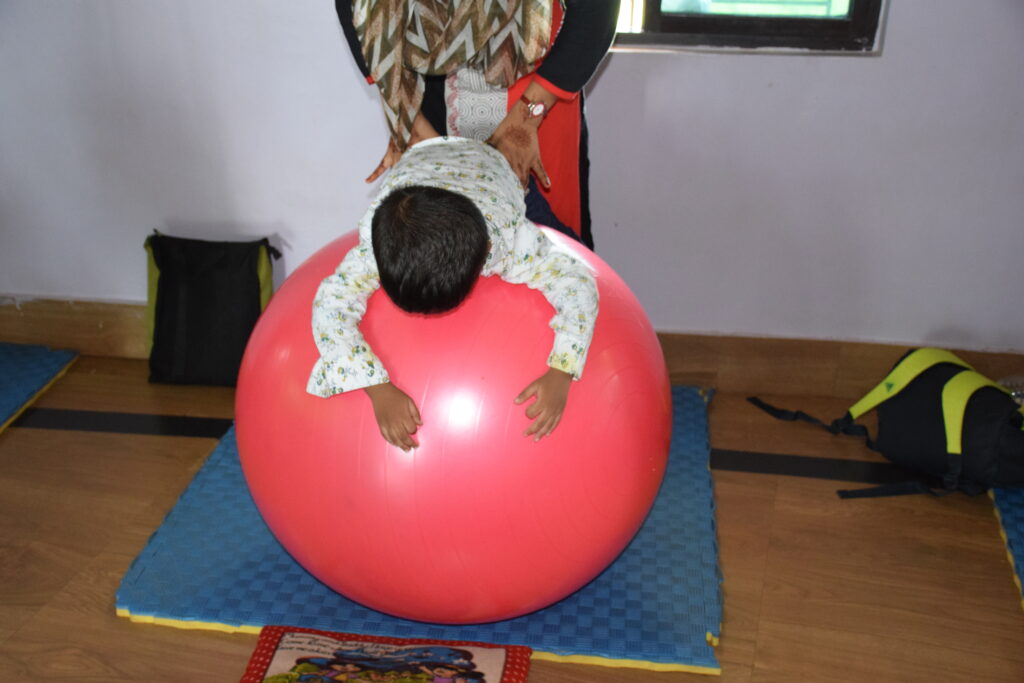
- Occupational Therapy (OT): This is crucial for addressing sensory processing issues that are common in autism. Through sensory integration therapy, OT helps children who are over-responsive or under-responsive to stimuli to better regulate their sensory experiences. This, in turn, reduces anxiety and improves focus, self-care, and fine motor skills, which are fundamental to functional independence.
- Life Skills and soft skills Training: The program looks toward the future. Older children are taught essential life skills—cooking, cleaning, money management, and personal hygiene—within the residential environment’s practical context. Further , training introduces them to structured tasks, fostering a sense of purpose and capability, and laying the groundwork for potential community integration and normal school .
- Social Skills Groups and Recreational Therapy: In a safe and structured setting, children learn the art of interaction—taking turns, sharing, understanding personal space, and making friends. Recreational activities like art, music, and structured play are not mere diversions but therapeutic tools that foster emotional expression, creativity, and motor coordination.
- Dedicated staff to provide one to one care giving 24 hours. The parents can monitor their children anytime. They can have their inputs for improving caregiving.
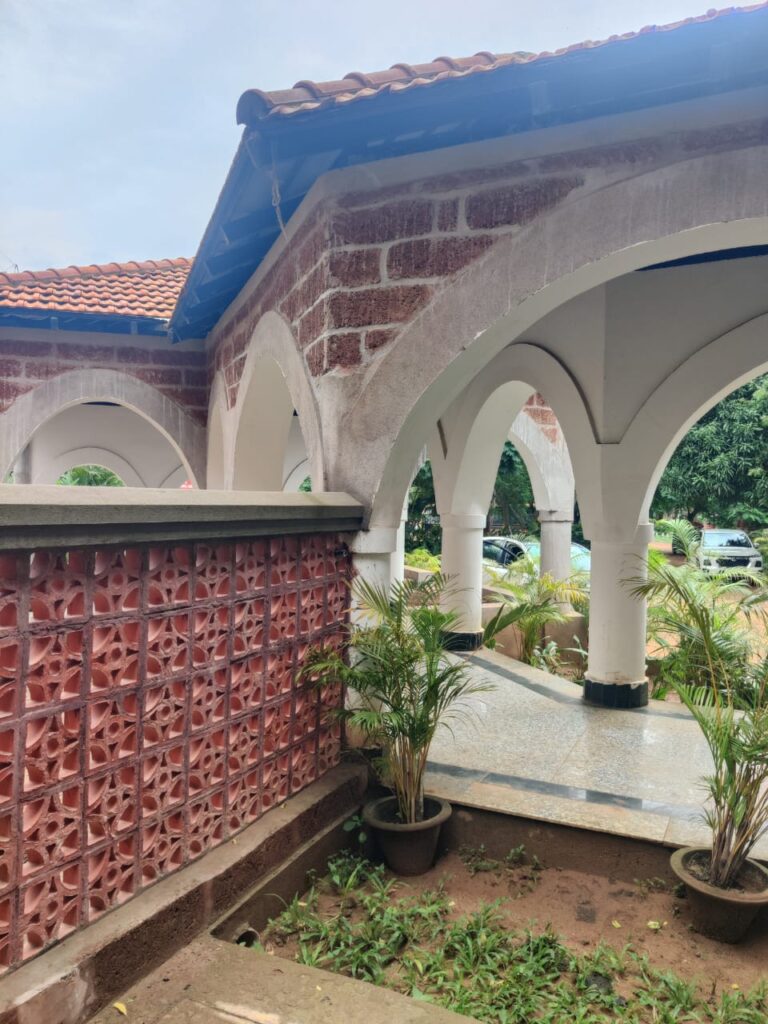
A large campus in the lap of nature, this facility is the best of its kind for the children with special needs is general and for Neuro developmental disorders like Autism is particular. It provides a predictable, low-stress environment free from the distractions and sensory overload of the outside world. This allows children to receive everything that’s for their overall development. Furthermore, the program provides regular feedback to the parents through individual sessions or group sessions.
Since three decades Margdarsi Foundation and the Institute of Health Sciences have been innovating technology solutions with integrative therapy for Autism. This is measured in the tangible triumphs of children who can take care of themselves, communicate their needs effectively, regulate their emotions in a challenging situation, or successfully complete assigned tasks. The Margdarsi Foundation’s holistic model proves that when care is comprehensive, compassionate, and continuous, it can dismantle the barriers imposed by autism. It is a testament to the belief that every child, regardless of their neurological makeup, holds within them the potential for a life of dignity, purpose, and meaningful independence.
Margdarsi tries to live up to its mission of “Nonverbal to Normal School” for every child it takes under its care. We expect the parents group should demand solution, rather than accept the condition as neuro diverse. The myths about Autism can be busted when all the special needs are catered to holistically.